Machu Picchu is one of the world’s most remarkable archaeological destinations, but visiting it can involve expensive transport, advance reservations, long travel days, crowds, and unpredictable mountain weather. Is it worth the effort? For many travelers, absolutely—but not for exactly the same reasons or under every circumstance.
This guide breaks down the genuine advantages and disadvantages, explains the best time to visit, and helps you decide whether Machu Picchu belongs on your Peru itinerary.
Short answer: Machu Picchu is worth visiting if you appreciate history, dramatic landscapes, archaeology, or once-in-a-lifetime travel experiences. It may be less appealing if you have a very tight budget, dislike organized itineraries, or expect guaranteed sunny weather and an uncrowded site.
What Makes Machu Picchu So Special?
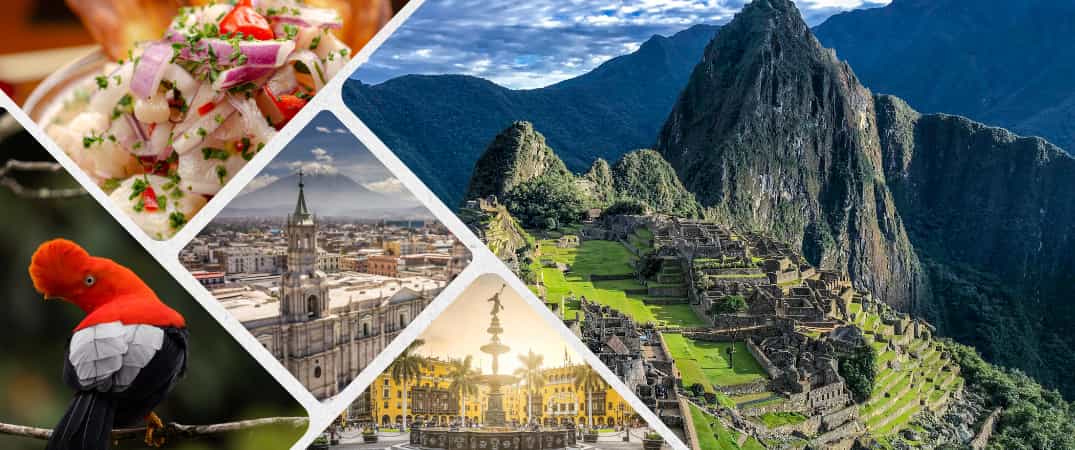
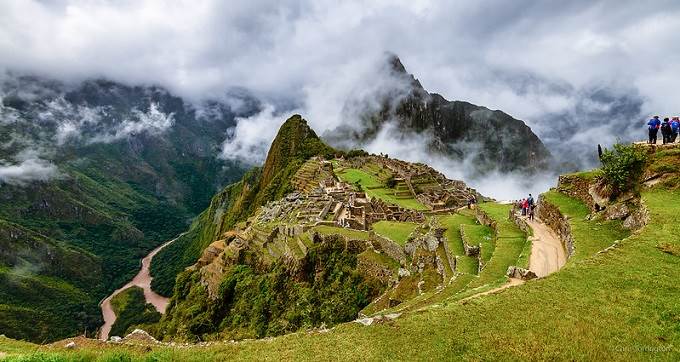
Located in Peru’s Cusco region, Machu Picchu is a historic Inca settlement surrounded by steep green mountains and cloud forest. Its terraces, stone structures, ceremonial spaces, and carefully planned layout make it far more than a scenic viewpoint.
The setting is a major part of the experience. As you move through the archaeological site, the landscape changes around the stone buildings, mountain ridges, and steep valleys. When the clouds lift, the familiar panorama can be spectacular. When mist rolls through, the ruins can feel mysterious and atmospheric.
The site is also a reminder of the engineering and organization of the Inca civilization. The stonework, agricultural terraces, water-management features, and relationship between architecture and terrain reward visitors who look beyond the famous photograph.
Try to experience Machu Picchu as a historic and cultural site, not just as a place to take a picture. Reading about Inca history beforehand or hiring a qualified guide can make the visit considerably more meaningful.
The Pros of Visiting Machu Picchu
1. An extraordinary setting
The combination of ancient architecture, mountain peaks, and cloud forest is difficult to replicate elsewhere. Even visitors who have seen many archaeological sites often find the setting memorable.
2. Remarkable Inca engineering
Terraces, drainage, stone construction, and the way buildings fit into the landscape provide a fascinating look at Inca planning and technical knowledge.
3. A deeper understanding of Peru
A visit can add context to time spent in Cusco and the Sacred Valley. It connects the region’s landscapes, architecture, and living cultural heritage with its pre-Columbian history.
4. Different ways to experience it
You can travel by train, visit with a guide, or combine the site with a permitted trekking route. Mountain routes offer additional challenges and viewpoints for travelers who want more than the standard circuit.
5. A memorable milestone
For many travelers, reaching Machu Picchu is the highlight of a Peru trip. Planning the journey and finally seeing the site in person can make the experience feel especially rewarding.
6. A year-round destination
The archaeological site generally receives visitors throughout the year. With flexible expectations and suitable clothing, you can plan a visit outside the busiest months.
The Cons: Reasons Machu Picchu Might Disappoint You
1. It can be expensive
Admission is only one part of the budget. Train tickets, buses, accommodation, transfers, food, and guided tours can increase the total considerably, especially when booked late or during busy periods.
2. Crowds can affect the atmosphere
Machu Picchu is internationally famous, and popular viewpoints can become busy. You may have to share photo locations with other visitors and follow a designated route rather than explore freely.
3. Weather is unpredictable
Cloud can obscure the classic panorama, including during months that are generally considered favorable. Rain can also make paths slippery. No season guarantees a clear view.
4. Getting there takes planning
Many visitors travel from Cusco to Ollantaytambo or another rail departure point, take a train to Machu Picchu Pueblo, and then use a bus or hike to the entrance. Timetables and ticket availability need coordination.
5. The visit is regulated
Entry tickets correspond to specific circuits and routes. You cannot assume that every viewpoint or mountain trail is included in a standard ticket, and you should follow the route assigned to your admission.
6. It is not a private wilderness experience
If you imagine wandering alone through untouched ruins, the reality may differ. Visitor controls protect the site, but they also limit spontaneity and independent exploration.
Machu Picchu is not a guaranteed sunrise spectacle or an unrestricted hiking area. You are visiting a protected archaeological site with controlled entry, fixed routes, and changing weather conditions.
Is Machu Picchu Worth the Cost?
For many travelers, yes—but the value depends on your interests and how much time you have. A traveler interested in history and landscapes may consider the cost worthwhile, while someone mainly seeking a low-cost backpacking trip may prefer to spend more time exploring Cusco and the Sacred Valley.
There is no single total price that fits every traveler. Costs vary with your country of residence, admission route, train class, departure station, accommodation, guide arrangements, and booking date.
| Expense | What to consider |
|---|---|
| Entrance ticket | Choose the appropriate circuit and route; check the current official price for your eligibility. |
| Train | Compare departure stations, departure times, class, baggage rules, and return options. |
| Bus to the entrance | Budget for the uphill bus or allow time and energy for the walking alternative where permitted. |
| Accommodation | Staying in Machu Picchu Pueblo can make an early entrance easier but adds another night to your budget. |
| Guide | A knowledgeable guide can explain the site’s history, architecture, and cultural significance. |
| Meals and transfers | Allow for food, transport between stations, and any overnight stay in Cusco or the Sacred Valley. |
How to make the trip more affordable
- Book admission and transport as early as practical, particularly for popular dates and routes.
- Compare train schedules and departure stations before choosing a package.
- Consider staying in the Sacred Valley if it suits your itinerary, rather than automatically returning to Cusco every night.
- Check what a tour package includes so you do not pay twice for transport, guides, or admission.
- Verify whether you qualify for a discounted admission rate before paying.
- Keep a contingency budget for delays, extra meals, or an unexpected overnight stay.
For admission information, start with the official Machu Picchu website and follow its current instructions to the authorized ticketing platform. Avoid relying on outdated screenshots or unverified social media prices.
When Is the Best Time to Visit Machu Picchu?
The best time depends on what matters most to you: clearer weather, fewer people, greener scenery, or easier trekking conditions. Peru’s National Service of Natural Protected Areas, SERNANP, identifies April through October as the recommended visiting season and November through March as the rainy season. These are general seasonal patterns, not guarantees for a particular day.
| Period | Advantages | Possible drawbacks | Best for |
|---|---|---|---|
| April–May | Transition toward drier weather; landscapes can remain lush. | Rain can still occur, especially earlier in the period. | Travelers seeking a balance of scenery and weather. |
| June–August | Generally drier conditions and favorable trekking weather. | High demand, busy travel dates, and cold nights in Cusco. | Hikers and travelers prioritizing weather reliability. |
| September–October | Often a useful balance between dry-season conditions and shoulder-season travel. | Rain becomes more likely as the season progresses; popular dates can still be busy. | Travelers seeking flexibility and generally favorable conditions. |
| November–December | Greener scenery and potentially less demand on some dates. | Increasing rainfall and possible travel disruptions. | Flexible travelers who do not mind variable weather. |
| January–March | Lush landscapes and a different, mistier atmosphere. | Frequent rain, slippery trails, and greater disruption risk. | Visitors with flexible plans and realistic weather expectations. |
Is May the best month to visit?
May is often a strong choice if you want a compromise between weather and crowds. It falls within the recommended visiting season, and the surrounding landscape can still be lush after the rainy months. However, demand varies by date, so check admission and train availability before making nonrefundable arrangements.
Should you visit in July or August?
These months are attractive for drier weather, but they are also popular travel months. Book well in advance, especially if you want a specific circuit, mountain route, or train departure. If you prefer a quieter trip, compare dates in the shoulder seasons instead.
Is Machu Picchu worth visiting in the rainy season?
It can be. Rain and mist may create beautiful scenery, and the site does not simply become an unsuitable destination because the calendar reaches November. However, visibility is less predictable, paths may be slippery, and rail or road services can be affected by severe weather. Build flexibility into your itinerary and bring waterproof clothing.
The Inca Trail network closes for annual maintenance in February. This is not the same as Machu Picchu itself being closed. If you plan to trek, confirm trail permits, current operating dates, and any temporary restrictions with official authorities or an authorized operator.
Choose the Best Time for Your Travel Style
Machu Picchu Trip Planner
Choose your main priority to get a practical starting recommendation.
This is a common choice for travelers prioritizing drier conditions. Book early and prepare for busy dates.
How Many Days Should You Spend?
You do not need a week at Machu Picchu itself, but rushing the journey can make the experience stressful. Your ideal schedule depends on whether you are traveling by train, trekking, or exploring the Sacred Valley as well.
Option 1: One day at the site
A day trip from Cusco may be possible with carefully coordinated transport, an advance admission ticket, and a suitable circuit. However, the day can be long, with early departures and several transport connections. It is less forgiving if a train is delayed or you want a relaxed pace.
Option 2: Two days with an overnight stay
For many visitors, this is the most comfortable approach. Travel to Machu Picchu Pueblo the day before, stay overnight, and enter the archaeological site the next day. This can reduce the pressure of connecting every part of the trip on a single day.
Option 3: Three to five days for a wider Cusco itinerary
If you want to include Cusco, the Sacred Valley, and Machu Picchu, allow several days. This gives you more time to appreciate local culture, archaeological sites, and the landscape without treating every day as a transfer day.
If your budget and schedule allow, spend at least one night in Machu Picchu Pueblo and avoid making your entire visit dependent on a tight same-day connection. Always check current train schedules, ticket times, and transfer requirements.
Which Machu Picchu Experience Is Right for You?
Not all tickets offer the same experience. The official ticketing system assigns visitors to specific circuits and routes. Some focus on panoramic views, others on classic archaeological viewpoints, and certain routes include additional mountain hikes.
Classic visit
Best for first-time visitors who want to see the main archaeological setting. Compare the available Circuit 2 routes and verify exactly which viewpoints are included.
Panoramic views
Consider the available Circuit 1 routes if your priority is a wider view of the site and surrounding mountains. These routes may not provide the same access to lower archaeological areas.
More hiking
Mountain routes can add physical challenge and a different perspective. Check elevation, duration, route conditions, age or other restrictions, and whether a separate ticket is required.
History and context
A guided visit can help you understand the architecture, ceremonial spaces, and historical questions that a photograph alone cannot explain.
Review the current routes on the official circuits and routes guide before purchasing. Route names, access rules, seasonal availability, and ticket conditions can change.
Who Will Enjoy Machu Picchu the Most?
Machu Picchu is probably worth it if you:
- Enjoy ancient history, architecture, archaeology, or cultural destinations.
- Want to experience one of Peru’s most recognizable landscapes in person.
- Are willing to plan transport and admission ahead of time.
- Can accept changing weather and a controlled visitor route.
- Want to combine the visit with Cusco or the Sacred Valley.
You may want to reconsider if you:
- Have a very limited budget and would need to sacrifice more important parts of your trip.
- Cannot tolerate long transfer days or significant amounts of walking.
- Expect guaranteed sunshine, empty viewpoints, or unrestricted access.
- Have inflexible travel dates but have not secured admission or transport.
- Are only interested in taking one photograph and have little interest in the site’s history or setting.
Even if Machu Picchu is not right for your current itinerary, Peru offers alternatives. Cusco’s historic center, the Sacred Valley, Ollantaytambo, and other archaeological destinations can provide rich cultural experiences. You do not need to treat a visit to Machu Picchu as a requirement for every trip to Peru.
Practical Tips to Make Your Visit Worthwhile
- Buy tickets through the official route. Begin with the official Machu Picchu website and follow its current instructions to the authorized booking platform.
- Choose your circuit carefully. Check the actual route included in your ticket instead of assuming every ticket covers the same viewpoints.
- Coordinate your train and admission times. Leave a reasonable buffer for transfers and avoid relying on an extremely tight schedule.
- Prepare for both sun and rain. Weather can change quickly. A light waterproof layer, sun protection, and shoes with good grip are useful.
- Acclimatize if needed. Cusco is at a much higher elevation than Machu Picchu itself. Allow time to adjust to the altitude before strenuous activities.
- Consider a guide. A good guide can make the archaeological site more engaging and help explain features you might otherwise overlook.
- Follow conservation rules. Stay on permitted routes, respect barriers, and follow current rules for bags, food, and photography equipment.
- Keep some flexibility. Weather, transport changes, and local disruptions can affect schedules. Avoid making every part of the trip dependent on one connection.
Official Resources for Planning Your Visit
Use official sources to confirm admission requirements, route availability, and travel rules before booking:
- Official Machu Picchu website — visitor information and ticketing guidance.
- Official circuits and routes — compare the designated visiting routes.
- SERNANP: Historic Sanctuary of Machu Picchu — information about the protected area and recommended visiting season.
- Peru Travel — official tourism information for planning a wider Peru itinerary.
Frequently Asked Questions
Is Machu Picchu really worth the money?
For travelers who value history, architecture, and dramatic scenery, it is often worth the expense. However, the full cost includes more than admission, so compare transport, accommodation, and tour options before deciding.
What is the best month to visit Machu Picchu?
May is often a good compromise between relatively favorable weather and crowds. June through August generally offer drier conditions but are popular months. April, September, and October can also work well, depending on the exact dates and route.
Is Machu Picchu worth visiting in the rain?
It can be. Rain and mist create a distinctive atmosphere, and the surrounding vegetation can look especially green. The disadvantages are reduced visibility, slippery paths, and a higher chance of transport disruption.
Can you visit Machu Picchu without hiking the Inca Trail?
Yes. Many visitors travel by train to Machu Picchu Pueblo and continue to the entrance by bus or on foot. The Inca Trail is an optional trekking experience, not a requirement for visiting the archaeological site.
Is one day enough for Machu Picchu?
One day at the site may be enough for a standard circuit, but reaching it and returning to Cusco can make the overall day long. An overnight stay in Machu Picchu Pueblo can make the visit more relaxed.
Is Machu Picchu too crowded?
It can be busy, particularly during popular travel months and around major holidays. Booking ahead, selecting a suitable route, and considering shoulder-season dates can improve the experience, although crowds cannot be eliminated completely.
Is Machu Picchu suitable for children or older travelers?
It depends on mobility, health, the selected circuit, and the pace of the visit. Some routes include uneven surfaces, steps, and exposed areas. Review the route details and discuss accessibility needs with the relevant operator before booking.
Is Machu Picchu open in February?
The archaeological site is generally open year-round, but February is part of the rainy season and the Inca Trail closes for annual maintenance. Confirm current site access, route conditions, and transport arrangements before traveling.
Should I book Machu Picchu tickets in advance?
Yes, advance booking is advisable, especially for popular circuits, mountain routes, and high-demand dates. Check the official booking platform for the latest availability before finalizing your transport.
Final Verdict: Should You Visit Machu Picchu?
Yes, Machu Picchu is worth visiting for most travelers who are interested in Peru’s history, culture, and landscapes. The ancient stonework and dramatic mountain setting can make it a memorable experience. But it is not a frictionless destination: it costs money, requires planning, can be crowded, and does not guarantee clear skies.
For a balanced trip, consider April or May, or September if your schedule allows. If dry weather is your priority, look at the May-to-September period and book early. If you visit during the rainy season, prepare for changing conditions and keep your itinerary flexible.
The best visit is not necessarily the one with perfect weather or the most famous photograph. It is the one that matches your budget, interests, travel style, and expectations—and gives you enough time to appreciate why this extraordinary Inca site has captured the world’s imagination.
Confirm your ticket circuit, entrance time, train arrangements, and current visitor rules on official websites. A little preparation can make the difference between a rushed, expensive day and a rewarding visit.
Visit the Official Machu Picchu Website