
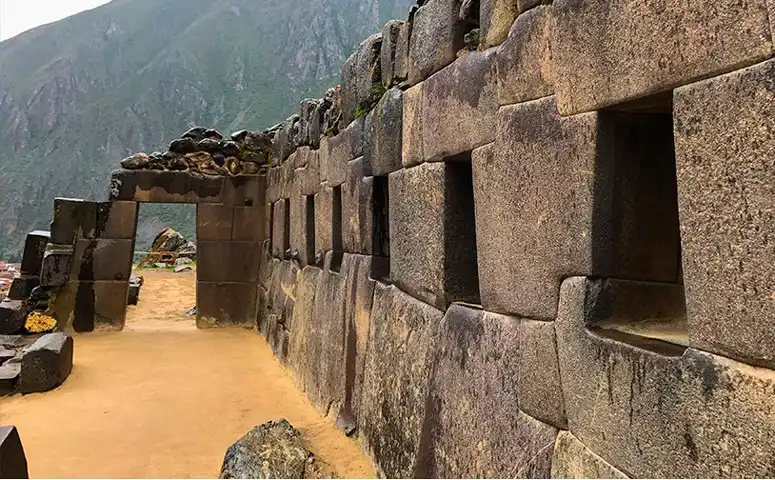
Discover the best Machu Picchu itineraries from Cusco, whether you have one day, two days, three days, or a full week to explore Peru’s Sacred Valley and the legendary Inca citadel.
Planning a trip to Machu Picchu often raises one important question: how many days do you actually need? The answer depends on your travel style, budget, interest in Inca history, available time, and how comfortably you want to explore the Andes.
Some travelers visit Machu Picchu on a long day trip from Cusco. Others spend a night in Aguas Calientes, explore the Sacred Valley, and allow extra time to adjust to the altitude. If you want to hike, visit additional archaeological sites, or travel at a relaxed pace, a longer itinerary may be the better choice.
This guide explains how many days to spend at Machu Picchu, compares the best itineraries from Cusco, and provides practical tips for planning train journeys, entrance reservations, accommodation, and transportation.
How Many Days Do You Need for Machu Picchu?
You do not necessarily need several days to visit Machu Picchu itself. However, the journey from Cusco involves road or rail transportation, advance planning, and a timed entrance reservation. The number of days you need depends on whether you want to visit only the citadel or explore more of the surrounding region.
Quick Machu Picchu Trip
Best for travelers with a tight schedule who want to visit the main archaeological site without extending their stay.
Ideal for: Short trips and travelers with limited vacation time.
Comfortable Machu Picchu Visit
Travel to Aguas Calientes, stay overnight, and visit Machu Picchu the following day with less pressure from same-day connections.
Ideal for: First-time visitors and couples.
Machu Picchu and the Sacred Valley
Combine the citadel with destinations such as Ollantaytambo, Pisac, and the agricultural terraces of Moray.
Ideal for: Culture lovers and photographers.
Complete Cusco Experience
Enjoy Machu Picchu, the Sacred Valley, Cusco’s historic center, nearby ruins, and optional outdoor adventures.
Ideal for: Travelers who want a more complete Andean itinerary.
Is One Day Enough for Machu Picchu?
Yes, one day can be enough to visit Machu Picchu, provided you organize transportation and entrance tickets carefully. Many travelers leave Cusco early, travel to Ollantaytambo, take a train to Aguas Calientes, and continue to the archaeological site by shuttle bus or on foot.
The main disadvantage is the tight schedule. You need to coordinate multiple connections and leave enough time to return to Cusco. Delays, limited train availability, or an entrance reservation at an inconvenient time can make the day more stressful.
Example one-day Machu Picchu itinerary
Travel by road to your departure station, often Ollantaytambo. Allow enough time for the transfer and train check-in.
Take your reserved train to Machu Picchu Pueblo. The journey from Ollantaytambo commonly takes around 1.5 to 2 hours, depending on the service.
Use your scheduled entrance ticket and follow the designated circuit. Allow additional time for the shuttle bus and entrance procedures.
Travel back to Aguas Calientes and board your reserved train, followed by your road transfer to Cusco.
Important: This is an itinerary framework, not a guaranteed timetable. The actual feasibility depends on your entrance time, train schedule, road transfers, and seasonal operations. Do not book a return train that leaves too soon after your planned visit.
Pros and cons of a one-day trip
| Advantages | Disadvantages |
|---|---|
| No extra hotel night in Aguas Calientes | Very early departure and a long day |
| Suitable for tight travel schedules | Limited flexibility if a connection is delayed |
| Can be efficient with advance reservations | Less time to enjoy Aguas Calientes or the surrounding area |
Choose a one-day itinerary if time is your biggest constraint. If you prefer a relaxed experience, consider staying overnight instead.
Is Two Days Better for Machu Picchu?
For many visitors, two days is the best balance between convenience and travel time. Instead of completing the entire journey from Cusco and back in one day, you can travel to Aguas Calientes on the first day and visit Machu Picchu on the second.
This approach reduces the pressure of coordinating the train journey, entrance reservation, and return transfer within a single day. It also gives you more time to rest before your visit.
Best two-day Machu Picchu itinerary from Cusco
Depart Cusco and travel to Ollantaytambo. Take the train to Aguas Calientes, check into your hotel, and prepare for the next day’s visit. Depending on your arrival time, explore the town or enjoy a relaxed dinner.
Travel to the entrance at your reserved time, explore the designated circuit, and return to Aguas Calientes. Take your pre-booked train and road transfer back to Cusco.
Why two days works well
- Less pressure than completing everything in one day.
- Time to sleep near Machu Picchu before your entrance reservation.
- More flexibility when selecting train departure times.
- An opportunity to experience Aguas Calientes.
- A practical option for travelers who do not want a longer regional tour.
Remember that two days does not automatically mean two full days at Machu Picchu. The time available inside the archaeological site depends on your entrance ticket and designated circuit.
Three Days in Cusco and Machu Picchu
Three days is a good choice if you want to visit Machu Picchu while experiencing at least one additional destination in the Sacred Valley. It is also useful for travelers who prefer a little more flexibility around transportation.
Suggested three-day itinerary
Walk around the historic center, visit Plaza de Armas, explore the San Blas neighborhood, and see selected museums or archaeological sites nearby. Keep your first day relatively light if you have recently arrived at altitude.
Depart for the Sacred Valley, board your reserved train, and travel to Aguas Calientes. Depending on your entrance reservation and available train schedule, you may need to rearrange this day and the following one.
Explore the archaeological site and return to Cusco after your scheduled train journey. If you want a longer visit or more flexibility, consider adding a fourth day.
This itinerary prioritizes Cusco and Machu Picchu. If exploring the Sacred Valley in depth is important to you, a four-day plan is more practical.
Four Days: Machu Picchu and the Sacred Valley
Four days gives you time to see more of the region without rushing between every destination. You can explore Cusco, visit Sacred Valley archaeological sites, spend a night in Aguas Calientes, and return to Cusco.
Recommended four-day itinerary
Explore Plaza de Armas, Cusco Cathedral, San Blas, and nearby Inca and colonial heritage sites. Plan a lighter day if you need time to adjust to the altitude.
Visit selected destinations such as Pisac, the Sacred Valley viewpoints, or Ollantaytambo. You may stay overnight in the valley or continue to Aguas Calientes if your train schedule allows.
Visit the citadel using your reserved entrance ticket. Stay overnight in Aguas Calientes or return toward the Sacred Valley, depending on your travel arrangements.
Travel back to Cusco and enjoy any remaining time in the city. If you have already returned on Day 3, use this day for additional sightseeing or a more relaxed schedule.
The Sacred Valley contains several places worth visiting, but travel times add up. Avoid trying to visit every attraction in a single day, especially if you also need to catch a train.
Five to Seven Days: The Best Machu Picchu and Cusco Itinerary
If you have five to seven days, you can explore Machu Picchu without treating the rest of the region as a quick stop. This is a strong option for international travelers who want a mix of history, scenery, food, and cultural experiences.
| Day | Suggested plan |
|---|---|
| Day 1 | Arrive in Cusco, settle in, and take a gentle walk around the historic center. |
| Day 2 | Explore Cusco’s historic sites, museums, and nearby Inca ruins. |
| Day 3 | Visit Sacred Valley destinations such as Pisac and Ollantaytambo. |
| Day 4 | Travel by train to Aguas Calientes and stay overnight. |
| Day 5 | Visit Machu Picchu and return to Cusco or the Sacred Valley. |
| Day 6 | Explore additional Sacred Valley sites, local markets, or Moray and the Maras salt mines. |
| Day 7 | Enjoy a flexible day in Cusco, take a cooking class, or prepare for your onward journey. |
This plan is flexible rather than fixed. You can move the Sacred Valley visit before or after Machu Picchu depending on train schedules, entrance availability, accommodation, and onward transport.
Interactive Tool: Choose Your Ideal Machu Picchu Itinerary
Answer three quick questions to see which itinerary may work best for your trip.
How Long Does It Take to Get from Cusco to Machu Picchu?
Machu Picchu is not directly accessible by road from Cusco. Most independent travelers combine road transportation to a railway station with a train journey to Aguas Calientes, followed by a shuttle bus or walk to the archaeological site’s entrance.
| Journey segment | Typical planning estimate | Important note |
|---|---|---|
| Cusco to Ollantaytambo by road | Approximately 1.5–2.5 hours | Traffic, route, weather, and stops can affect travel time. |
| Ollantaytambo to Aguas Calientes by train | Approximately 1.5–2 hours | Duration depends on the service and timetable. |
| Aguas Calientes to the Machu Picchu entrance | Allow extra time for the bus queue and ride | Walking is also possible but involves a steep uphill route. |
| Visiting Machu Picchu | Often around 2–4 hours, depending on the circuit | Follow your ticket’s circuit, entry time, and applicable rules. |
These estimates are for planning only. Transfers, check-in, waiting time, and return connections add to the overall journey. Always use the confirmed timetable for your departure date.
Should You Stay Overnight in Aguas Calientes?
Staying overnight in Aguas Calientes is one of the easiest ways to reduce pressure on your Machu Picchu itinerary. The town has hotels, restaurants, shops, and transport services for visitors heading to the archaeological site.
An overnight stay is especially useful if your entrance reservation is early in the morning or if you want to avoid a long same-day round trip from Cusco.
Advantages of staying overnight
- Less pressure to coordinate every connection within one day.
- More flexibility when planning an early site visit.
- Time to explore Aguas Calientes and enjoy a meal.
- More options when comparing outbound and return train schedules.
The main disadvantage is the additional cost of accommodation and meals. If your budget is limited, compare the price of an extra hotel night with the convenience it provides.
Do You Need Time to Adjust to Cusco’s Altitude?
Cusco sits at a high elevation, and some visitors experience altitude-related symptoms after arriving. Machu Picchu itself is at a lower elevation than Cusco, but reaching it still involves travel, physical activity, and potentially steep paths.
If you are arriving directly from sea level, consider scheduling a lighter first day before strenuous hikes or a demanding sightseeing itinerary. Stay hydrated, avoid overexertion, and seek medical advice if you have concerns about altitude or existing health conditions.
Travelers planning longer hikes, such as the Inca Trail or Huayna Picchu, should be particularly careful about timing and physical preparation.
Can You Visit the Sacred Valley and Machu Picchu on the Same Day?
It is possible to combine some Sacred Valley transportation with a train journey, but trying to explore multiple major attractions and visit Machu Picchu in a single day is usually rushed.
Ollantaytambo is commonly used as a departure point for trains to Aguas Calientes, so it can be convenient to visit the archaeological site or stay in the town before traveling to Machu Picchu. However, the timing must work with your train reservation.
For Pisac, Moray, or the Maras salt mines, a separate day is usually more practical. This gives you time to appreciate the destinations rather than spending most of the day in transit.
When Is the Best Time to Visit Machu Picchu?
Machu Picchu can be visited throughout the year when the relevant services and entrance tickets are available. Weather conditions and visitor demand vary by season.
- May to September: Generally a popular period with relatively drier conditions, though nights can be cold and demand can be high.
- October and November: Conditions may be more variable, and rain becomes increasingly possible.
- December to March: The wetter season brings a higher chance of rain. Check current conditions and operational announcements.
- April: Can offer a transition toward drier weather, but conditions vary from year to year.
The best travel dates depend on your preferences and the availability of entrance reservations. Check official announcements before planning hikes or travel during periods of heavy rain.
How to Book Machu Picchu Tickets and Transportation
To build a realistic itinerary, arrange the most time-sensitive parts of your visit first.
- Check Machu Picchu entrance availability. Choose the appropriate date and circuit, and review any additional access requirements.
- Compare train schedules. Review PeruRail and Inca Rail services for your travel date and departure station.
- Arrange transfers. Plan how you will reach the railway station from Cusco or your Sacred Valley accommodation.
- Book accommodation. Consider staying overnight in Aguas Calientes if it makes your schedule more comfortable.
- Confirm the return journey. Allow a suitable buffer after your visit before boarding your return train.
Train Tickets
Compare departure times, fares, and service classes on the official railway websites.
Visit PeruRail Visit Inca RailMachu Picchu Admission
Review current ticket availability, visitor circuits, and official entry requirements before committing to transport.
Official Machu Picchu WebsiteFrequently Asked Questions About Machu Picchu Itineraries
How many days do you need for Machu Picchu?
One day can work for a tightly planned visit. Two days is more comfortable for many travelers, while three to four days allows time for Cusco and the Sacred Valley. Five to seven days is ideal for a broader regional itinerary.
Can I visit Machu Picchu from Cusco in one day?
Yes. Many travelers take road transportation to a railway station, continue by train to Aguas Calientes, visit Machu Picchu, and return to Cusco on the same day. This requires careful coordination of entrance and transport reservations.
Is two days enough for Machu Picchu?
Yes. A common plan is to travel to Aguas Calientes on the first day, stay overnight, visit Machu Picchu on the second day, and return to Cusco. Your actual schedule depends on train times and entrance availability.
How many nights should I stay in Cusco?
For a short trip focused on Machu Picchu, two or three nights may be sufficient, depending on arrival and departure times. Four or more nights provides more flexibility for the Sacred Valley and altitude adjustment.
Should I visit Cusco before or after Machu Picchu?
Either order can work. Visiting Cusco first gives you time to adjust to the altitude and explore the city. Visiting Machu Picchu first may suit travelers whose entrance tickets and train schedules dictate that order.
Is one night in Aguas Calientes enough?
One night is often sufficient for a standard visit. Arrive the day before your entrance reservation, visit Machu Picchu the following day, and return according to your train schedule.
Can I visit Machu Picchu and the Sacred Valley in three days?
Yes, but you will need to select your priorities. A short Cusco visit, one Sacred Valley excursion, and Machu Picchu can fit into three days if your transportation and entrance reservations align.
How much time should I spend inside Machu Picchu?
Many visitors plan around two to four hours, but the permitted route and duration depend on the ticket and applicable rules. Check the official conditions for your circuit.
Do I need to book Machu Picchu tickets in advance?
Advance booking is strongly recommended, particularly during popular travel periods or if you want a specific date and circuit. Check availability before purchasing non-refundable transport or accommodation.
Is five days enough for Cusco and Machu Picchu?
Five days is a good starting point for Cusco, selected Sacred Valley destinations, and Machu Picchu. You can extend the trip if you want multi-day trekking or additional excursions.
Final Recommendation: Choose the Right Machu Picchu Itinerary
The ideal number of days for Machu Picchu depends on what you want from your trip. A one-day visit is possible for travelers with limited time, but two days usually provides a more comfortable way to experience the citadel. Three to four days allows you to include Cusco and the Sacred Valley, while five to seven days offers the flexibility to explore the region at a slower pace.
For most first-time visitors, a practical choice is to spend time in Cusco, travel to Aguas Calientes the day before your entrance reservation, visit Machu Picchu, and return with enough time to avoid rushed connections.
Before booking, verify the official entrance availability, train schedules, transfer arrangements, and accommodation. A well-planned itinerary will help you spend less time worrying about connections and more time enjoying one of Peru’s most extraordinary destinations.
Compare train services and confirm your entrance reservation before choosing your final travel dates.
Compare Train Options Check Official Site InformationTravel information notice: Travel durations, operating schedules, entrance circuits, and availability can change. The itineraries above are planning examples, not guaranteed timetables. Confirm current conditions and official requirements before departure.